
Structural Movement Monitoring
Structural Movement Monitoring Surveys in London
Structural movement monitoring is the repeated measurement of a building, structure or surrounding ground against stable reference points to identify settlement, tilt, cracking and deformation over time. Movement may result from changing soil conditions, foundation settlement, structural loads, vibration or nearby excavation and construction work.
Our structural movement monitoring and building settlement monitoring services establish baseline readings that can be compared with measurements collected during scheduled visits. Bidston Draughting provides accurate monitoring data and clear reports for residential, commercial and infrastructure projects across London. These results help clients and their structural engineers assess movement patterns, manage construction risks and determine whether further investigation or remedial work may be required. Our services support:
- Engineers
- Developers
- Contractors
- Homeowners
Request a Structural Monitoring Quote

What Structural Movement Do We Monitor?
Our monitoring services help detect movement early and deliver reliable data for engineers and decision-makers. This ensures that safety risks are reduced, insurance conditions are met, and building owners stay compliant with legal and construction requirements. We monitor:
- Ground Settlement
- Foundation Movement
- Structural Deformation
- Load Impact Behaviour
- Building Tilting or Rotation
- Cracking & Crack Expansion
How Structural Movement Monitoring Works
We offer structural stability monitoring services near you, using precise instruments, digital sensors, and scheduled surveying techniques to track even the smallest movements, delivering consistent and clear results.
Initial Survey & Baseline Data: We assess the structure, record its current condition, and set reference points for future comparison.
Sensor Installation & Ongoing Measurement: We install monitoring equipment to track ground movement, wall deflection, crack changes, or settlement over a chosen time period.
Reporting & Engineering Guidance: You receive clear reports, trend analysis, and professional recommendations to prevent structural damage and take timely action.

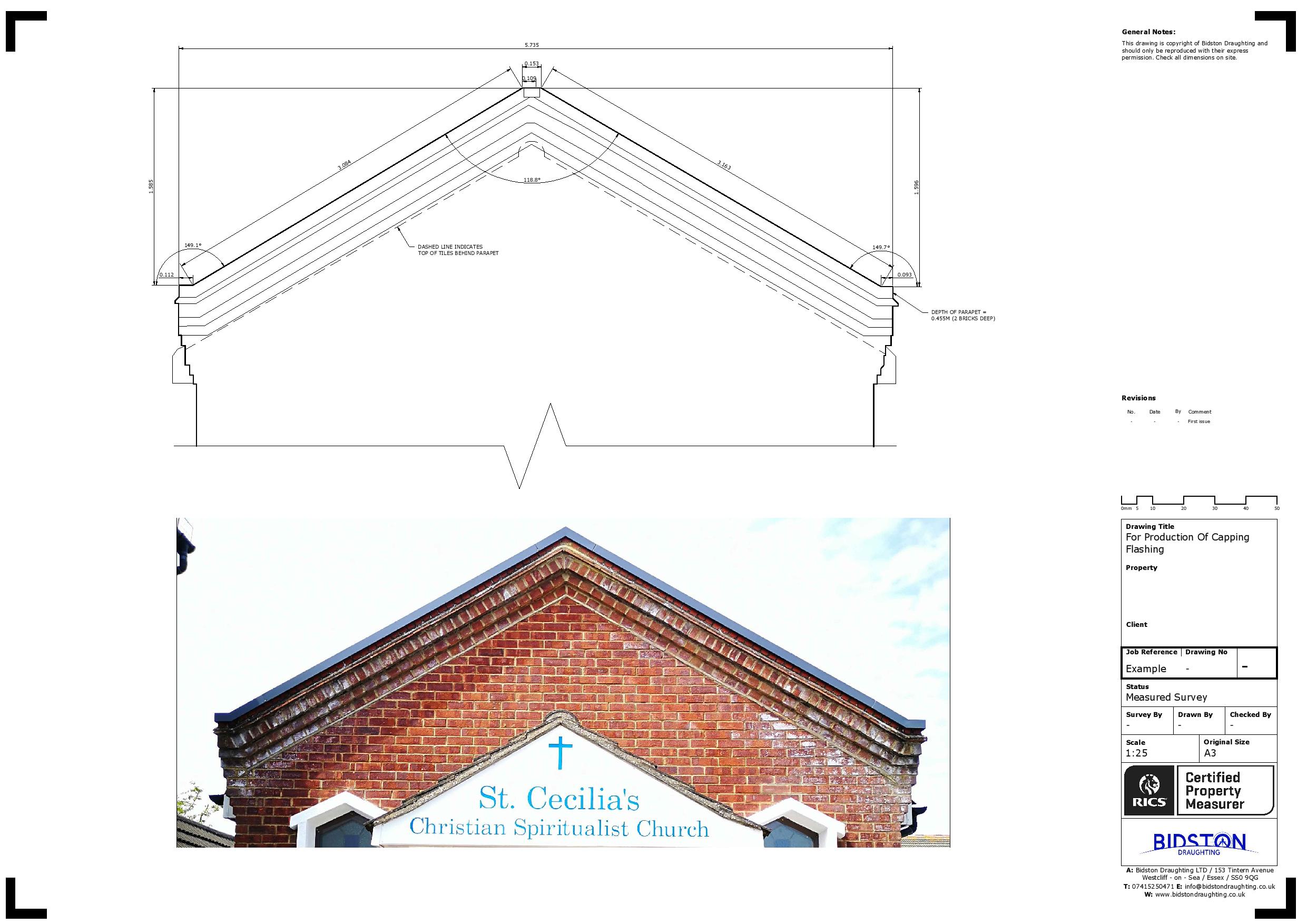
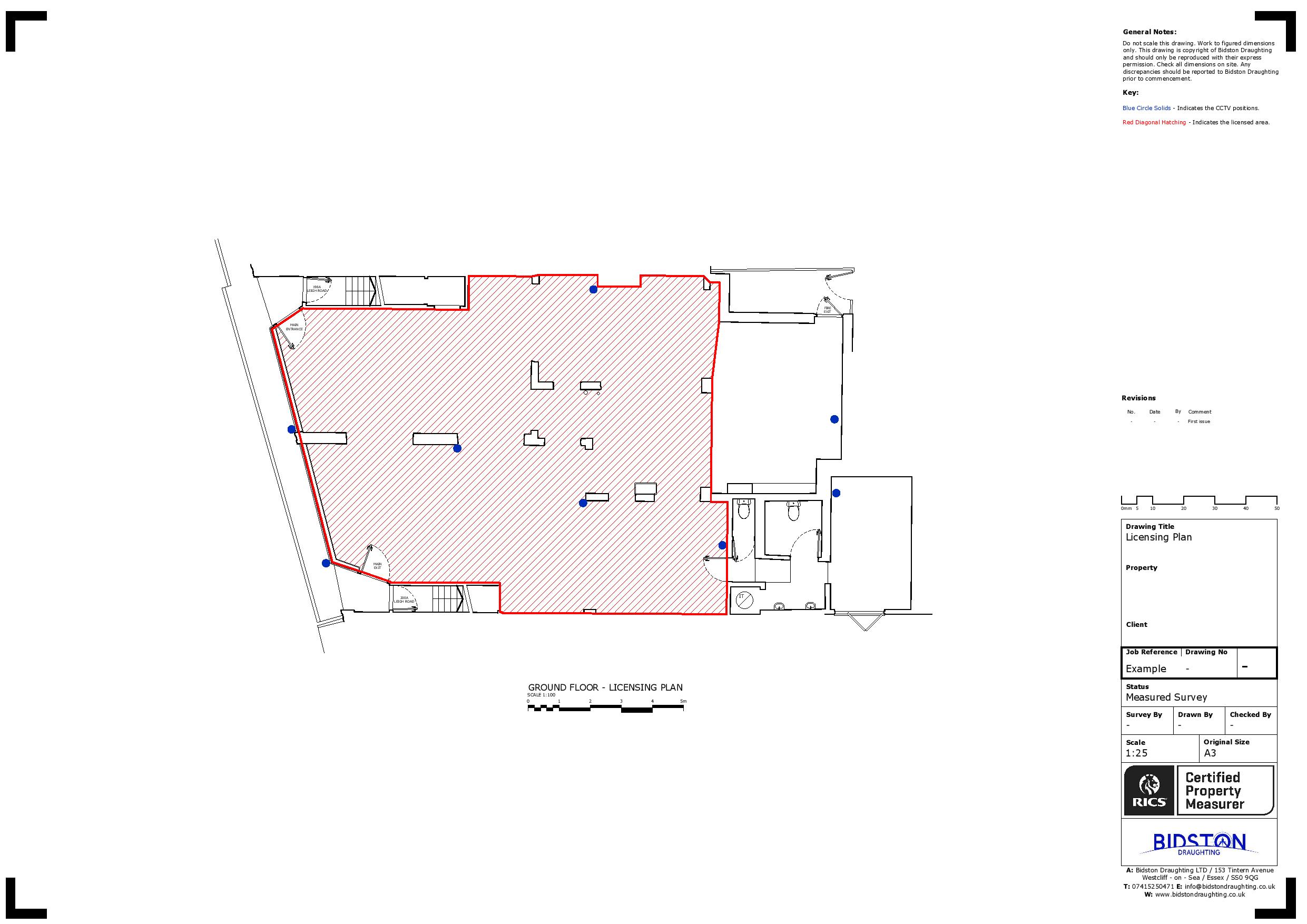
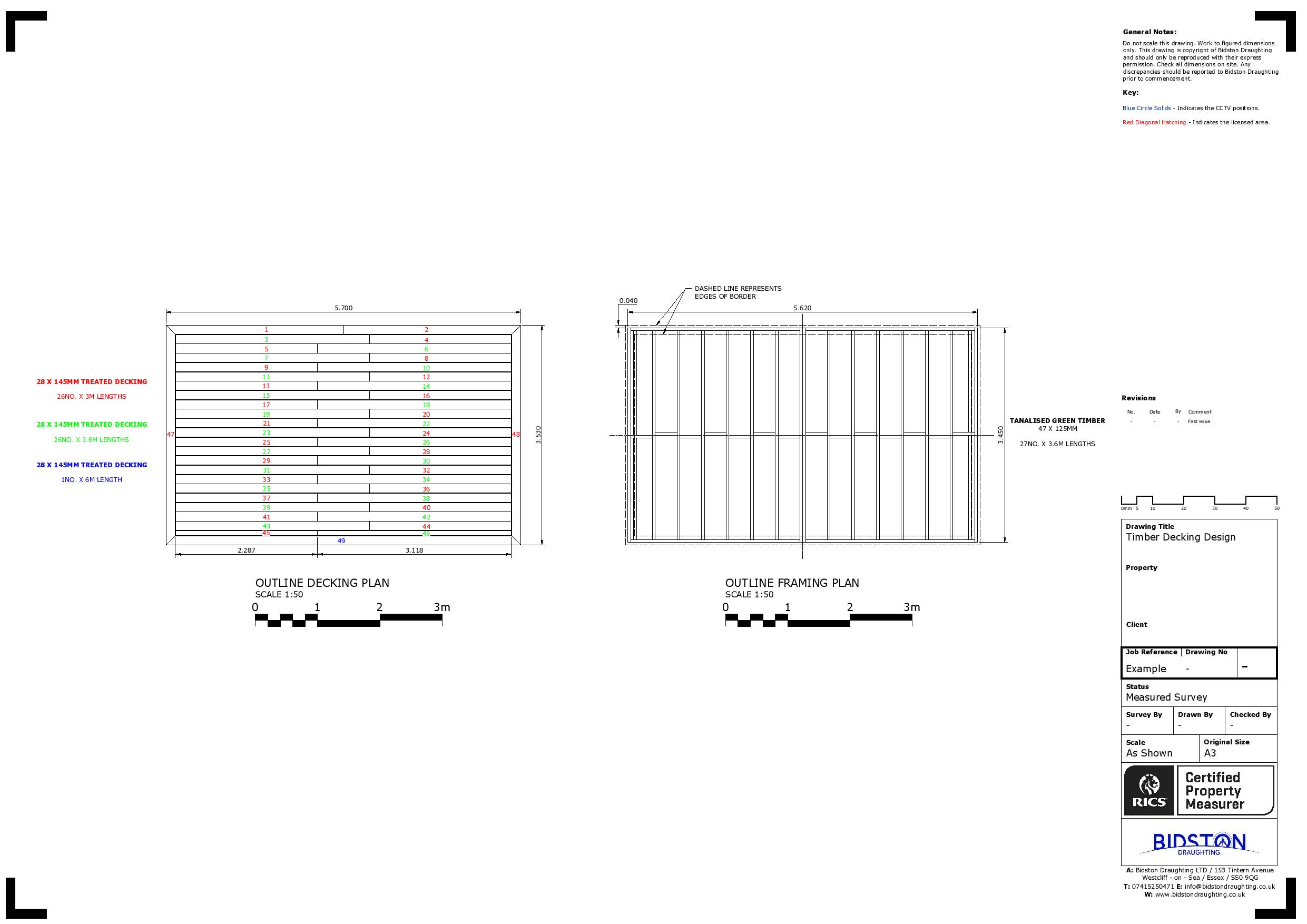
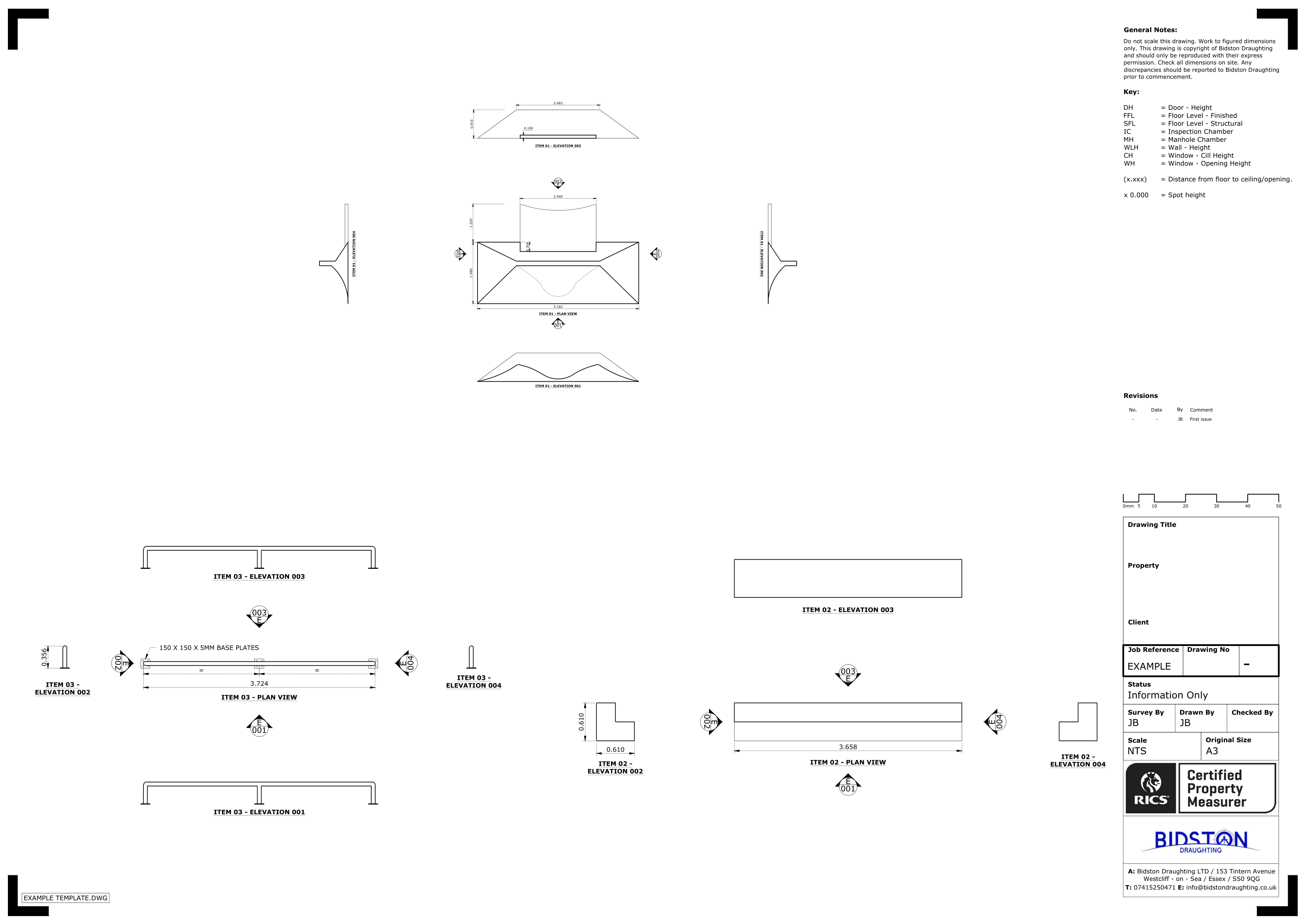
We can help you get the surveys and drawings that you need for your projects.
Our draughting team are ready.

Benefits of Structural Movement Monitoring
Early detection prevents major structural failures and reduces repair costs. Ongoing monitoring protects occupants, preserves asset value, and supports safe construction work near existing buildings. It also provides peace of mind to building owners, project managers, and engineers who need reliable data for decision-making.
We combine specialist knowledge with modern technology, providing accurate monitoring solutions, detailed reporting, and a professional service tailored to your project. Whether you require short-term or long-term monitoring, we can support you with a reliable and cost-effective plan.
Get in touch with us to book our building settlement monitoring services and get a customised quotation.
FAQs
Why is structural movement monitoring important for buildings?
Monitoring provides measurement data that can help the client’s structural engineer assess risk and recommend appropriate action.
How often should a building be monitored for movement or settlement?
The frequency depends on the building type and the level of risk. Some properties require weekly or monthly checks, while others may be monitored quarterly or throughout nearby construction activity. We advise on a schedule based on your site conditions and project requirements.
What technology is used to detect structural movement?
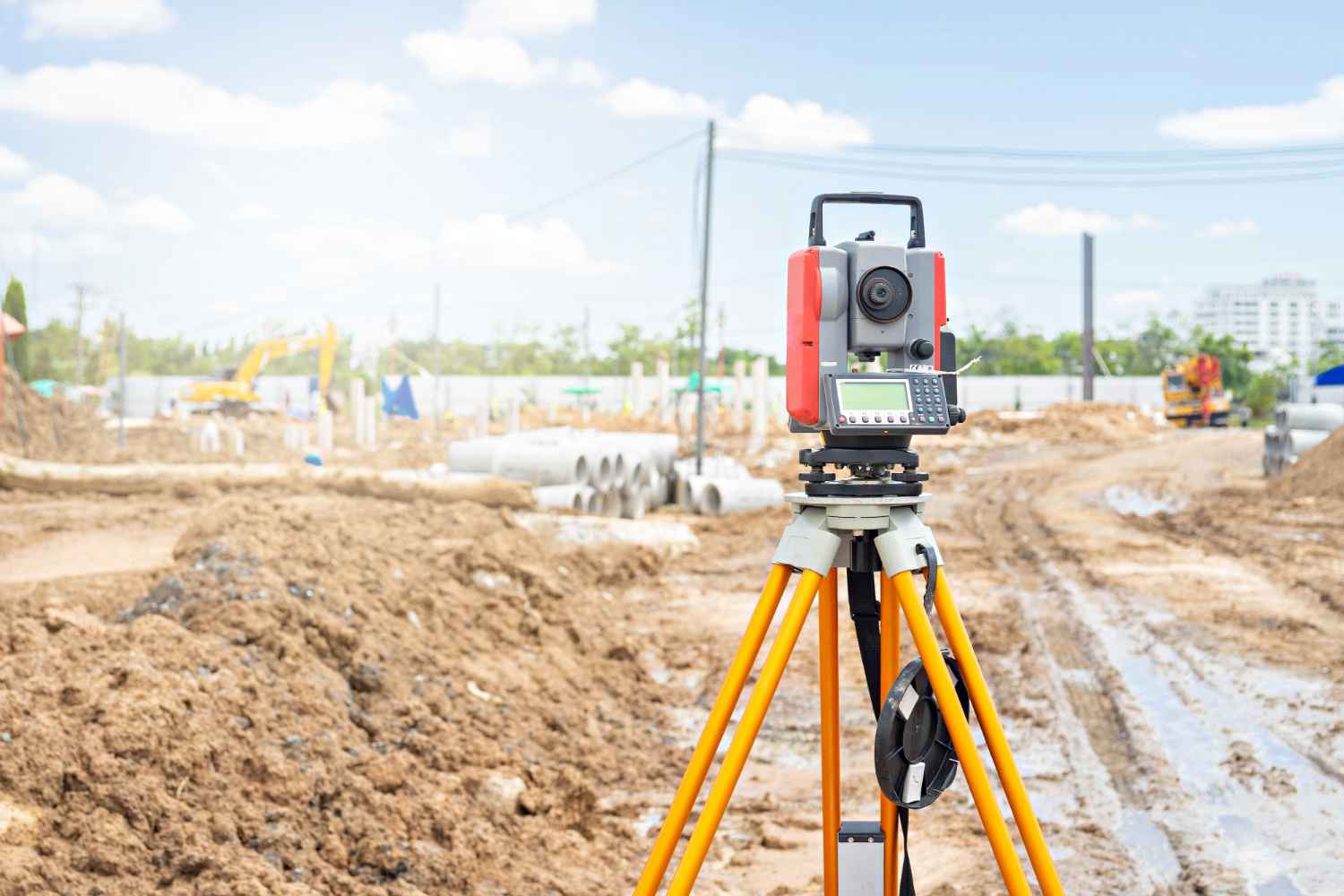
We use high-accuracy sensors, digital monitoring equipment, crack gauges, survey points, and deformation tracking tools. These instruments record micro-movements that are not visible to the eye, providing engineers with reliable data over time.
What factors affect the cost of structure deformation monitoring services?
The cost of structural monitoring services is influenced by the size of the structure, the type of monitoring required, the equipment used, the reporting frequency, and the project duration. After a site assessment, we provide a clear and transparent quote tailored to your needs.